.jpg)
Optimizing Your Energy with Nutrition for Game Day
When it comes to athletic performance, the difference between winning and losing often comes down to how well you fuel your body. Proper nutrition on game day is not just about eating; it’s about strategically providing your body with the right nutrients at the right times to maximize energy, strength, and recovery. Misfueling is a common but preventable issue that limits performance, causes fatigue, and increases injury risk. This post will guide you through practical, evidence-based strategies to optimize your energy and performance through nutrition for game day.
Understanding Nutrition for Game Day: The Foundation of Performance
Game day nutrition is a critical component of athletic success. It involves more than just eating a big meal before the game. Instead, it requires a well-planned approach that supports sustained energy, mental focus, and muscle function throughout the event.
Key Nutritional Priorities for Game Day
Carbohydrates: Your primary energy source. Carbs fuel your muscles and brain, especially during high-intensity efforts.
Protein: Supports muscle repair and recovery, even during the game.
Fats: Provide a secondary energy source and help maintain endurance.
Hydration: Maintains blood volume, regulates body temperature, and prevents cramps.
Timing Matters
Eating the right foods at the right times is essential. For example, consuming a carbohydrate-rich meal 3-4 hours before the game ensures glycogen stores are topped off. A small snack 30-60 minutes before can help maintain blood sugar levels. Hydration should be ongoing, starting well before the game and continuing throughout.
Avoiding Common Pitfalls
Many athletes experience energy crashes or gastrointestinal discomfort because of poor timing or inappropriate food choices. Avoid heavy, fatty, or high-fiber foods right before the game, as they can slow digestion and cause discomfort. Also, steer clear of excessive caffeine or sugary drinks that cause energy spikes followed by crashes.
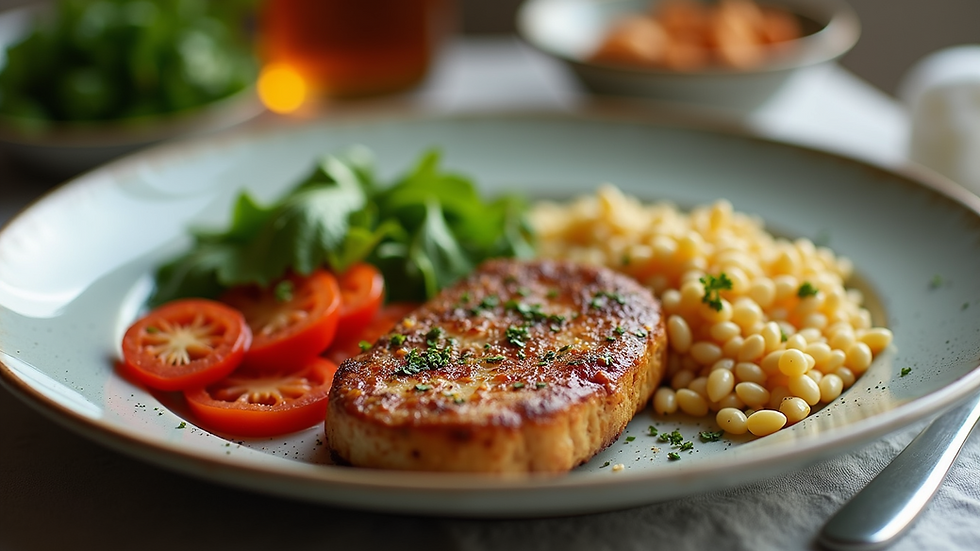
Practical Strategies to Fix Misfueling Before It Limits Performance
Misfueling is a leading cause of underperformance. It happens when the body’s energy demands are not met due to poor food choices, timing, or hydration. Here’s how to fix it:
1. Plan Your Meals and Snacks
3-4 hours before: Eat a meal rich in complex carbohydrates (e.g., whole grains, fruits), moderate protein (e.g., chicken, tofu), and low fat.
30-60 minutes before: Have a small, easily digestible snack like a banana, energy bar, or yogurt.
During the game: For events longer than 60 minutes, consume quick carbs such as sports drinks, gels, or fruit to maintain energy.
Post-game: Prioritize protein and carbs to kickstart recovery.
2. Hydrate Strategically
Start hydrating early in the day.
Drink 16-20 ounces of water 2-3 hours before the game.
Consume 7-10 ounces every 10-20 minutes during play.
Replace electrolytes lost through sweat, especially in hot conditions.
3. Customize Based on Individual Needs
Athletes vary in metabolism, sweat rate, and tolerance. Track how different foods and fluids affect your energy and digestion during practice to tailor your game day plan.
4. Avoid Last-Minute Changes
Stick to familiar foods and routines on game day to prevent unexpected digestive issues or energy dips.

What is the 4 2 1 Eating Rule for Athletes?
The 4 2 1 eating rule is a simple framework to guide meal timing and composition for athletes on game day. It helps ensure your body has the fuel it needs without causing discomfort.
4 hours before: Eat a full meal with balanced macronutrients. Focus on complex carbs, lean protein, and moderate fats.
2 hours before: Have a smaller snack that is mostly carbohydrates with some protein and minimal fat.
1 hour before: Consume a light, carbohydrate-rich snack that is easy to digest.
This rule helps maintain steady blood sugar levels and glycogen stores, preventing energy slumps and digestive distress during competition.
Example of 4 2 1 Eating Plan
4 hours: Grilled chicken breast, brown rice, steamed vegetables.
2 hours: Greek yogurt with honey and berries.
1 hour: A banana or a small energy bar.
Following this rule consistently builds a reliable fueling system that supports peak performance.
Addressing Heat and Hydration Challenges on Game Day
Heat exposure can exacerbate fueling mistakes and lead to early fatigue or cramps. Proper hydration and electrolyte balance are crucial to maintaining performance in warm conditions.
Recognize Early Signs of Heat Fatigue
Excessive sweating
Muscle cramps
Dizziness or headache
Fatigue or reduced focus
Hydration and Electrolyte Strategies
Increase fluid intake before and during the game.
Use electrolyte-enhanced drinks to replace sodium, potassium, and magnesium lost through sweat.
Avoid overhydration, which can dilute electrolytes and cause hyponatremia.
Nutrition Adjustments for Heat
Choose lighter meals that are easier to digest.
Include salty snacks if you sweat heavily.
Monitor urine color as a hydration indicator (pale yellow is ideal).
By proactively managing hydration and nutrition in heat, you reduce the risk of performance breakdowns.
Building Confidence with a Systematic Approach to Game Day Nutrition
The key to consistent performance is a system that removes guesswork and confusion. By understanding your body’s needs and following a structured plan, you can prevent misfueling and its negative effects.
Steps to Build Your Game Day Nutrition System
Assess your current fueling habits and identify gaps or issues.
Educate yourself on nutrient timing and composition relevant to your sport and position.
Experiment during practice to find what works best for you.
Create a written plan for meals, snacks, and hydration on game day.
Review and adjust based on performance and recovery feedback.
This strategic approach builds confidence and control, allowing you to focus on your game rather than worrying about energy or digestion.
For more detailed guidance on game day nutrition, explore resources that provide tailored strategies for athletes at every level.
By fixing misfueling before it limits performance, you empower yourself to stay healthy, recover properly, and perform when it matters most. Nutrition is not a side note; it is a foundational pillar of athletic success. Implement these strategies to optimize your energy and unlock your full potential on game day.


Great 👍🏼